



Reverse Osmosis System | Quality You Can Trust

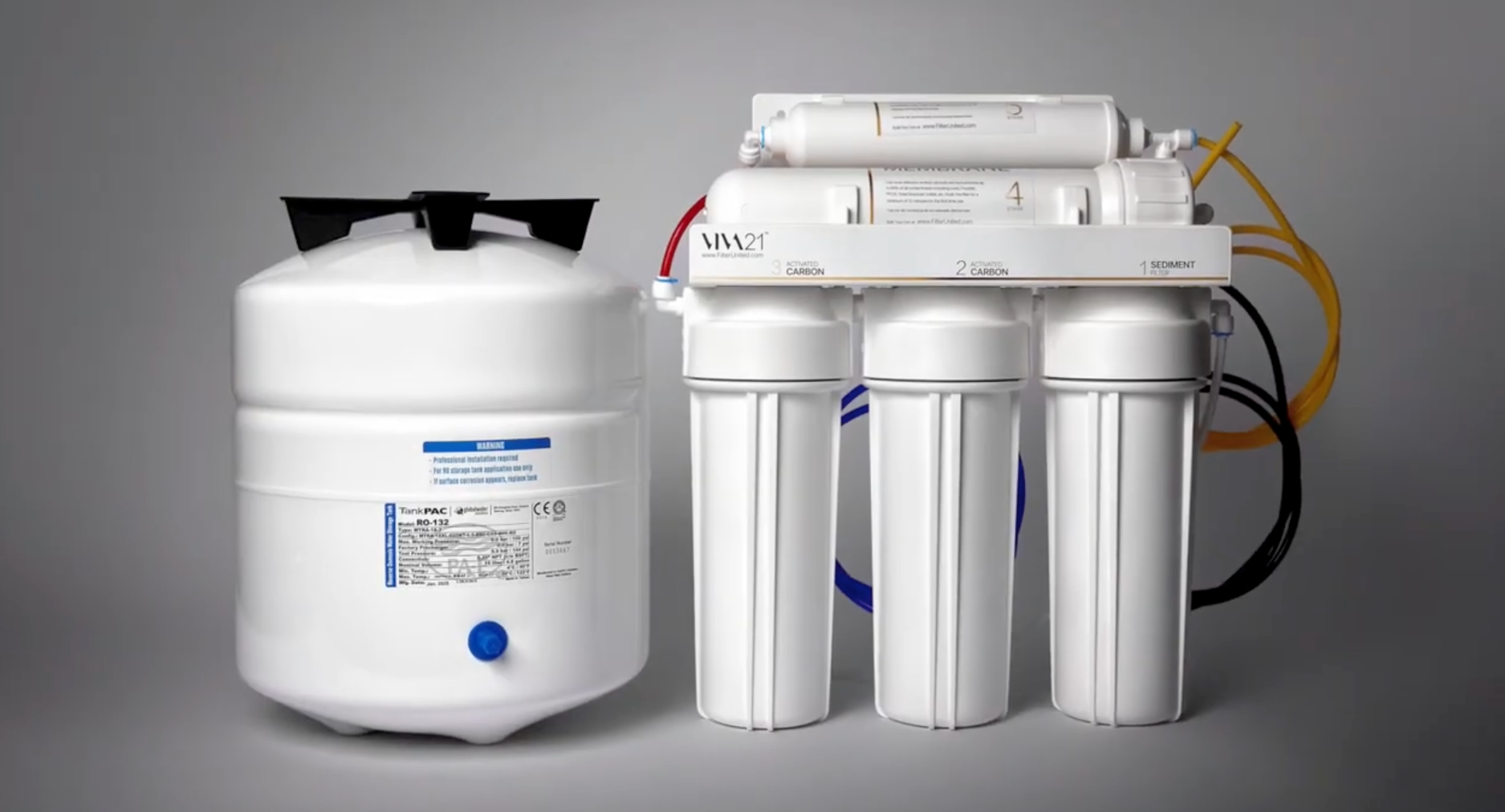
VIVA21 5-Stage Reverse Osmosis System
The VIVA21 5-Stage RO System is designed to provide premium water quality at an unmatched value. It fits under your sink, installs in less than 30 minutes, and delivers peace of mind for your health and hydration — no matter your zip code.
- Removes up to 99% of contaminants - PFAS, heavy metals, chlorine, and more.
- Built by a team with over 35 years of combined experience in water filtration industry.
- WQA Gold Seal certified to meet the strict NSF 58 and NSF 372 standards.
- Peace of mind - lifetime limited parts warranty and support.

VIVA21 6-Stage Alkaline Remineralization Reverse Osmosis System
The VIVA21 6-Stage Alkaline RO System is designed to provide premium water quality at an unmatched value, then re-balance the water to a healthy pH level with multiple natural minerals. It fits under your sink, installs in less than 30 minutes, and delivers peace of mind for your health and hydration — no matter your zip code.
- Removes up to 99% of contaminants - PFAS, heavy metals, chlorine, and more.
- Mineral Boost: The natural mineral alkaline stage delivers spring-like water with a balanced, healthy pH and multiple essential minerals.
- Built by a team with over 35 years of combined experience in water filtration industry.
- WQA Gold Seal certified to meet the strict NSF 58 and NSF 372 standards.
- Peace of mind - lifetime limited parts warranty and support.

High Capacity RO System Pre-Filter Set
- Guaranteed 12 month capacity.
- This 3-stage set is specifically engineered to maximize the performance of your system by protecting and extending its lifespan.
- 5-micron filters, best in class.
- Universally compatible with iSpring, APEC Water, Express Water traditional RO systems.
What Our Customers Say

Margot B.
Budget RO system that works & cheaper than big-box stores.
This VIVA21 5-stage RO system is...

Mr. Aloha Friday
They are 5 micron, they fit, water tastes...

George C.
Flexible design! Perfect for Renovations!
I really like how modular the VIVA21 system is. It fit perfectly under my sink...

P. Jones
Good lower capacity system...

Phemsley
Nice set of Backup filters for RO System.
Nice replacement filters for my iSpring RO system. They are a reasonable price...

Will H.
Water tastes great...

Ryder D.
Great reverse osmosis replacement filter set!
This is a reverse osmosis water filtration...

Gregory
High quality filters at a great price...
Pure Water, Made Simple
Every day starts with simple choices. The water you drink is one of them with VIVA21 reverse osmosis system. Every drop delivers purity, confidence, and peace of mind.
Engineered for clean great tasting water, built to last, and designed for the way you live.
Lifetime Support
We built reliable reverse osmosis systems that work and are meant to elevate your wellness. Ask us anything or checkout our FAQs!

How long does shipping take?
How long does shipping take?
Shipping usually takes 2-7 business days, depending on your location.
We ship our package in 1 business day, and the rest is taken care of by selected shipping carrier.
What is PFAS and how is it removed?
What is PFAS and how is it removed?
PFAS are "forever chemicals" that accumulate in the body and environment, linked to cancer, hormone disruption, and immune dysfunction. They are widely found in U.S. water supplies and bottled water.
Our reverse osmosis system, VIVA21 effectively removes PFAS from your water and provide best quality drinking water right from your kitchen.
What is the warranty on your RO system?
What is the warranty on your RO system?
We offer an extra 2 years of system warranty with registration. Registration is free and simple, please register your systems here.
You also get lifetime limited warranty for your RO system parts.
What is a Reverse Osmosis System
What is a Reverse Osmosis System
A Reverse Osmosis (RO) system is a multi-stage water filtration system that uses a semipermeable membrane to remove most of the dissolved solids, chemicals, and impurities in your tap water. It forces water through the membrane under pressure, leaving contaminants behind. RO is known for producing exceptionally clean drinking water. It is widely used in homes for improved taste, safety, and purity.
Why should I choose an RO system over other filtration methods?
Why should I choose an RO system over other filtration methods?
RO systems remove up to 99% of harmful contaminants such as heavy metals, PFAS, nitrates, chlorine, fluoride, and micro-sediments commonly found in tap water, while carbon filters only remove taste and odor.
If you want truly purified drinking water, RO is the most effective household filtration technology.
How does an RO system work?
How does an RO system work?
A RO system typically filters water through several stages, including sediment, carbon blocks, and the RO membrane. The membrane allows water molecules to pass through while rejecting contaminants. Clean water is stored or delivered directly to the faucet, while wastewater is flushed away through the drain line. The result is purified drinking water with significantly reduced impurities.
Why is there “wastewater” in an RO system?
Why is there “wastewater” in an RO system?
Reverse osmosis produces “wastewater” because the system needs to flush away the contaminants it removes from your tap water.
During filtration, water is pushed through a membrane that blocks the impurities. The clean water passes through, while the concentrated contaminants must be carried out of the system through a small stream of “wastewater”.
This rinse water is essential. It prevents buildup on the membrane, keeps filtration performance high, and helps extend the life of the RO system.
Knowledge Base

Does RO Water Leave Water Spots on Dishes and Glassware?
Have you ever pulled your favorite wine glasses or dinner plates out of the dishwasher, only to find them covered in an unsightly, cloudy film or stubborn white specks? If you are dealing with these frustrating marks, you aren't alone. Homeowners often ask: Does RO (Reverse Osmosis) water leave water spots on dishes and glassware? The short answer is no. Pure RO water does not cause mineral spots. In fact, using reverse osmosis filtration is one of the most effective ways to eliminate hard water spots for good. What Causes Water Spots on Dishes and Glassware? To understand why water leaves spots, we have to look at what’s flowing through your home’s plumbing. Hard water contains elevated levels of dissolved mineral ions, primarily Calcium and Magnesium. When you wash your dishes, tiny water droplets cling to the surface of your glassware. As the water evaporates into the air, those heavy dissolved minerals cannot turn into vapor. Instead, they stay behind, forming a chalky white residue known as limescale or calcium buildup. Over time, these deposits can even react with high heat and dishwashing chemicals, causing permanent glass etching: a structural cloudiness that no amount of scrubbing can fix. Does RO Water Eliminate Hard Water Spots? Yes, high-purity RO water eliminates mineral spotting. Reverse Osmosis works by forcing tap water under pressure through a semi-permeable membrane with microscopic pores as small as 0.0001 microns. According to testing standards set by the Water Quality Association (WQA), a proper reverse osmosis system reduces Total Dissolved Solids (TDS) by up to 99%, effectively removing: Hardness Minerals: Calcium, Magnesium, and Silica Heavy Metals: Lead, Arsenic, and Copper Chemical Contaminants: Chlorine, Fluoride, and PFAS Because purified RO water typically registers a very low TDS level (0–20 PPM), there are virtually no minerals left behind to form residue when droplets dry. Rinsing glassware with RO water allows it to air-dry completely spot-free. Dishwasher vs. Pure RO Water: Why Your Dishwasher Alone Isn't Enough Many homeowners rely solely on built-in dishwasher features or commercial additives to fight water spots, only to find the results underwhelming. Here is why standard appliances often fall short without purified water: 1. Water Softeners vs. Reverse Osmosis Whole-house water softeners use ion-exchange resin to swap Calcium and Magnesium ions for Sodium or Potassium ions. While softened water prevents heavy limescale buildup inside your pipes, it does not reduce Total Dissolved Solids (TDS). The remaining sodium salts can still dry on your glassware, leaving a light white glaze. 2. Rinse Aids Only Mask the Problem Rinse aids are chemical surfactants designed to lower the surface tension of water, forcing droplets to slide off dishes rather than pool. While helpful, they do not remove dissolved minerals from the water stream, they simply reduce droplet contact time. 3. High-Heat Heated Dry Cycles Modern dishwashers use intense heat during the dry cycle. If minerals are present in your rinse water, high heat bakes those mineral deposits onto the glass surface, accelerating permanent etching and surface dullness. Why You Might Still See Spots If you are already using an RO system and still notice marks on your glassware, the issue usually stems from one of the non-mineral causes: 1. Soap and Detergent Residue Many dishwashing detergents contain chemical fillers that don't dissolve completely in cold water or quick cycles. This leaves a light, powdery residue that is easily mistaken for mineral buildup. Solution: Reduce detergent usage or switch to a high-efficiency liquid rinse aid. 2. Glassware Etching If your glasses remain cloudy even after being soaked in white vinegar, they are likely etched. Etching is permanent physical damage caused by high heat and aggressive soft-water chemical reactions. Solution: Lower your dishwasher temperature and use mild detergents designed for gentle cycles. Keeping Your Water Purified Year-Round To ensure your reverse osmosis system continues delivering 99% mineral-free water, simple routine maintenance is required: Replace Pre-Filters (Every 6–12 Months): Sediment and carbon pre-filters catch larger particles and chlorine before they reach the delicate RO membrane. Replace the RO Membrane (Every 2–3 Years): A fresh membrane ensures TDS levels remain near zero. Check System Pressure: Low water pressure can reduce filtration efficiency, allowing slightly more dissolved minerals to pass through. Final Thoughts If hard water spots, cloudy glasses, and mineral buildup are frustrating your daily clean-up, upgrading to reverse osmosis is the most reliable, long-term solution. By removing dissolved solids at the microscopic level, you protect both your dinnerware and your home appliances. Looking to upgrade your kitchen's water quality? Discover how FilterUnited's VIVA21 Series delivers crystal-clear water for your home.
Learn more
How Pure RO Water Improves the Flavor of Your Home-Cooked Meals
Standard tap water contains varying levels of municipal treatment chemicals (like chlorine and chloramines), heavy metals, and dissolved mineral salts. While safe for basic utility, these invisible compounds actively alter food science during boiling, simmering, and brewing. Upgrading to purified water, specifically via advanced reverse osmosis (RO) technology, can fundamentally change the molecular environment in your pot. Here is how pure RO water refines flavor profiles, improves food texture, and why culinary enthusiasts are upgrading their kitchen filtration. How Tap Water Affects Flavor Profiles Water is more than just a liquid medium. In cooking, it functions as a universal solvent. Its ability to dissolve, extract, and hydrate relies heavily on its Total Dissolved Solids (TDS) level. 1. Eliminating Chemical Off-Flavors Municipal tap water is commonly treated with chlorine or chloramines to destroy pathogens. However, when heated, chlorine reacts with organic compounds in food to create subtle metallic or medicinal notes. A high-efficiency under-sink reverse osmosis system reduces up to 99% of chlorine, chloramines, dissolved heavy metals, and volatile organic compounds (VOCs). Without these chemical background notes, delicate aromatics like fresh herbs, saffron, and natural meat stocks taste clean and vibrant. 2. Solvent Power and Flavor Extraction Hard tap water is already saturated with calcium and magnesium ions. Because the water is pre-loaded with dissolved minerals, its capacity to dissolve flavor molecules from ingredients is hindered. Pure RO water acts like a clean slate with zero osmotic pressure resistance. When simmering bone broth, vegetable stock, or delicate consommés, pure water extracts soluble proteins, amino acids, and subtle essential oils much more efficiently. Texture and Chemical Reactions in the Kitchen The chemical composition of water does not merely alter taste, it physically alters the texture of grains, legumes, and vegetables. Vegetable Tenderness vs. Pectin Cross-Linking Hard tap water rich in calcium ions causes pectin in vegetable cell walls to cross-link, hardening the cell structure. This is why dry beans cooked in hard tap water often remain tough, rubbery, or unevenly cooked despite hours of simmering. Pure RO water allows pectin to break down naturally at boiling temperatures, producing tender legumes, smooth soups, and perfectly softened root vegetables. Rice and Grain Fluffiness Grains like jasmine rice, basmati, and quinoa absorb water during cooking to gelatinize starches. High levels of tap water minerals disrupt this hydration process, leaving grains gummy or unevenly hydrated. Cooked in pure RO water, rice absorbs moisture evenly, yielding individual, fluffy grains with pure rice fragrance. Pure RO vs. Remineralized RO: Which Suits Your Kitchen? Not all culinary applications require identical mineral concentrations. Culinary scientists and coffee baristas often distinguish between Pure (Zero TDS) RO water and Remineralized RO water. Culinary Application Water Requirement Science Behind It Recommended System Solution Delicate Teas, Stocks & Baking Pure RO Water Needs a pure solvent with zero mineral interference to extract delicate notes and maintain precise dough hydration. FilterUnited VIVA21 5-Stage RO System Specialty Coffee & Acidic Dishes Remineralized RO Water Balanced calcium/magnesium ions buffer fruit acids and enhance extraction of aromatics without bitterness. FilterUnited VIVA21 6-Stage Remineralization RO System Clear Ice & Pure Cold Beverages Pure RO Water Eliminates dissolved gases and minerals that create cloudy ice centers and melt into drinks. FilterUnited VIVA21 5-Stage RO System Upgrading Your Kitchen Architecture with FilterUnited VIVA21 Achieving restaurant-grade water quality at home requires dependable, verified filtration hardware. The FilterUnited VIVA21 Series provides targeted filtration designed for culinary precision and household peace of mind. 1. FilterUnited VIVA21 5-Stage WQA-Certified Reverse Osmosis System For pure, lab-grade water, the FilterUnited VIVA21 5-Stage System is rigorously certified by the Water Quality Association (WQA). Utilizing a high-rejection semi-permeable RO membrane, it strips out contaminants down to 0.0001 microns, removing fluoride, arsenic, lead, microplastics, and forever chemicals (PFAS). It is the ultimate baseline solution for clean cooking and pure ice making. 2. FilterUnited VIVA21 6-Stage Remineralization Reverse Osmosis System For those who demand artisanal coffee extraction and balanced daily drinking water, the FilterUnited VIVA21 6-Stage System incorporates an active remineralization stage after deep reverse osmosis filtration. This stage restores beneficial calcium, magnesium, and essential trace minerals back into the purified water, raising the pH level to optimal alkaline alkalinity and balancing flavor profiles. 3. Long-Term Reliability: Filter Sets and Accessories Maintaining culinary-grade purity requires consistent pre-filtration to protect the delicate RO membrane from sediment clogging and chlorine oxidation. Pre-Filter Set: High-capacity sediment and carbon block filters that extend membrane service life. Complete Filter Set: Everything needed for complete annual system servicing to ensure zero drop in flow rate or purity. Accessories & Individual Replacement Filters: Quick-connect fittings and replacement cartridges designed for simple DIY installation under any kitchen sink. Taste the Ingredient, Not the Tap Water is the foundation of every meal prepared in your kitchen. Continuing to cook with unfiltered or partially filtered tap water introduces unneeded chemical interference to your favorite recipes. By switching to a dedicated filtration solution like the VIVA21 Series, you unlock the true flavor potential of your coffee beans, seasonal vegetables, and homemade stocks.
Learn more
How Pure Drinking Water Impacts Your Gut Health
When we look at digestive health, nutrition and diet usually take center stage. However, the fluid that carries these nutrients through your body: the water you drink daily, plays a fundamental, structural role in how your gastrointestinal tract functions. Your digestive tract relies on a delicate balance of enzymes, beneficial bacteria, and stomach acid to break down nutrients and absorb energy. Because water makes up over 60% of your body and serves as the primary fluid medium for your gut, subtle contaminants in tap water can directly influence your digestive comfort and long-term gut microbiome health. Here is a scientific look at how drinking water quality affects your digestive system, and why investing in a high-efficiency purification system(like reverse osmosis systems)can protect your gut environment. The Connection: Water Contaminants and Your Microbiome Your gut is home to trillions of microorganisms, collectively known as the gut microbiome. These micro-organisms do much more than digest food. They regulate your immune system, support mental health, and produce essential vitamins. When tap water travels through aging city infrastructure or private wells, it often picks up invisible trace compounds. Even when municipal water meets basic government safety standards, minute levels of specific chemicals can interact with your digestive flora over time: Chlorine and ChloraminesMunicipalities add chlorine to kill harmful bacteria in pipes. While this prevents acute waterborne diseases, chlorine is an antibacterial agent by design. Regular ingestion of low-level chlorinated water can suppress beneficial gut bacteria, leading to occasional bloating, irregular digestion, or mild dysbiosis (microbial imbalance). Heavy Metals (Lead, Copper, Cadmium)Older plumbing systems can leach trace metals into drinking water. Heavy metals accumulate in tissue over time and can irritate the delicate lining of your stomach and intestinal tract, leading to general digestive discomfort. PFAS ("Forever Chemicals") and MicroplasticsSynthetic industrial compounds do not easily break down. Emerging clinical studies suggest that persistent environmental pollutants like PFAS can alter metabolic pathways and induce low-grade inflammation along the gastrointestinal tract. Common Signs Your Water Might Be Irritating Your Stomach Because digestive issues stem from many lifestyle factors, water quality is often overlooked. However, you might want to examine your drinking source if you experience: Unexplained bloating or mild cramping shortly after drinking unfiltered tap water. Sensitivity to tap water taste or odor, which often indicates residual disinfectant chemicals or mineral imbalances. A sluggish digestive system despite maintaining a fiber-rich, nutrient-dense diet. Proper hydration is essential for peristalsis—the mechanical contracting of muscles that moves food through your intestines. If your body subtly repels tap water due to harsh taste or trace irritants, you are also more likely to under-hydrate, leading to constipation and fatigue. How Reverse Osmosis (RO) Supports Digestive Comfort To safeguard your digestive tract, filtering out basic sediment is rarely enough. Heavy metals, microscopic plastics, dissolved chemical solids, and trace pharmaceuticals require fine-pore mechanical filtration. This is where a reverse osmosis (RO) water purifier stands out. Unlike basic carbon pitcher filters, which mainly reduce chlorine taste, an RO system pushes water through a semi-permeable membrane with pores as tiny as 0.0001 microns. Here is how an RO water filtration system directly benefits your digestive health: 1. Eliminates Chemical Irritants By removing up to 99% of dissolved solids, including chlorine, chloramines, nitrates, and PFAS, RO water eliminates the subtle chemical triggers that irritate sensitive gut linings. 2. Protects Good Bacteria By stripping away antibacterial disinfectants, RO pure water lets your probiotic foods (like yogurt, kimchi, and kefir) and gut supplements do their job without chemical interference. 3. Enhances Daily Hydration When water tastes crisp, clean, and entirely neutral, people naturally drink more of it. Adequate hydration softens stool, reduces stomach acid reflux symptoms, and keeps digestive enzymes working efficiently. RO Water vs. Other Filtration Options Every water filter type serves a specific purpose, and choosing the right setup depends on your local water profile and household needs: Filtration Type Removes Chlorine/Odor Removes Heavy Metals & Lead Removes Microplastics & PFAS Maintenance Effort Standard Pitcher Filter Yes (Partial) Minimal No High (Frequent Filter Swap) Basic Faucet Mount Yes Low to Moderate No Moderate Under-Sink RO Water Filter Yes (99%) Yes (Up to 99%) Yes (Up to 99%) Low (Annual Replacement) While standard pitcher filters are a budget-friendly starting point for improved taste, families looking for comprehensive long-term contaminant removal often find an under-sink reverse osmosis system to be the most reliable, hands-off investment. Simple Steps to Upgrade Your Home Water Quality If you are ready to give your digestive system the clean hydration it deserves, here is a practical roadmap: Test Your Water Quality: Obtain a municipal water report or use a certified home testing kit to check for total dissolved solids (TDS), chlorine levels, and heavy metals. Evaluate Your Daily Needs: Calculate how much pure water your family uses daily for drinking, cooking, washing produce, and brewing coffee or tea. Choose the Best RO Water Purifier for Home Use: Look for systems with multi-stage filtration (including sediment pre-filters, carbon blocks, and high-rejection RO membranes) and low wastewater ratios. The Bottom Line Your digestive system works hard every day to process food, nourish your cells, and protect your immune health. Don't make it work harder by forcing it to filter out unnecessary environmental tap water contaminants. Switching to a reliable RO water purifier removes the unseen burden from your hydration habits, giving your gut microbiome the clean, balanced environment it needs to thrive. Ready to improve your family’s daily drinking water? Explore our line of advanced under-sink reverse osmosis water systems and discover pure water engineered for long-term gut wellness.
Learn more
Hard Water vs. Soft Water vs. RO Water: The Practical Differences for Modern Homes
When it comes to the water running through your taps, what you can’t see absolutely matters. If you’ve ever noticed chalky white buildup on your faucets, wondered why your soap won’t lather, or questioned whether your tap water is truly safe to drink, you are dealing with the practical differences between hard water, soft water, and RO (Reverse Osmosis) water. For homeowners looking to invest in the best home water filtration system, understanding these distinctions is the first step toward healthier skin, longer-lasting appliances, and pristine drinking water. Let’s break down the science, the daily impacts, and how to choose the right setup for your household. 1. What is Hard Water? Hard water is simply water that contains a high concentration of dissolved minerals, primarily calcium and magnesium. As rainwater filters through limestone and chalk deposits in the ground, it naturally picks up these elements. While hard water is generally safe to drink and provides essential dietary minerals, its practical drawbacks in a household environment are significant: Scale Buildup (Limescale): The white, crusty deposits on showerheads, kettles, and pipes are crystallized calcium. Over time, this restricts water flow and reduces plumbing efficiency. Appliance Wear and Tear: Hard water forces water heaters, dishwashers, and washing machines to work harder, significantly shortening their lifespan. Soap Inefficiency: The minerals react with soap to create "soap scum" instead of a rich lather, leaving a film on your skin, hair, and dishes. If you are constantly scrubbing chalky stains, your home has hard water. 2. What is Soft Water? Soft water is the opposite of hard water. It has low concentrations of calcium and magnesium, often containing higher levels of sodium or potassium instead. Water can be naturally soft (if it sources from surface water bypassing mineral-rich rock), but in most modern homes, it is created using an ion exchange water softener system. A water softener swaps hard calcium and magnesium ions for sodium ions. The daily benefits include: Luxurious soap lathering, leading to softer skin and shinier hair. Spotless dishes and brighter, softer laundry. Protection for your pipes and appliances from limescale buildup. The Catch: While soft water is a dream for your plumbing and cleaning routines, it is not necessarily the ultimate solution for drinking water. The ion exchange process adds trace amounts of sodium to the water, and it does not remove other chemical pollutants, heavy metals, or microscopic contaminants. 3. What is RO Water? RO water stands for Reverse Osmosis water. Unlike soft water-which simply swaps out minerals-a reverse osmosis water filtration system uses advanced physical technology to strip away up to 99% of all dissolved solids, chemicals, and impurities from your water. During the reverse osmosis water treatment process, water is forced under pressure through a microscopic, semi-permeable membrane. The pores of an RO membrane are incredibly tiny: about 0.0001 microns. For perspective, a single strand of human hair is roughly 70 microns wide. Because the filtration is so dense, it removes a massive spectrum of hidden threats that both hard and soft water leave behind: Heavy Metals: Lead, arsenic, and chromium. Chemical Contaminants: Chlorine, fluoride, nitrates, and volatile organic compounds (VOCs). Modern Impurities: Microplastics and PFAS ("forever chemicals"). RO water is the gold standard for pure, crisp, and completely odor-free drinking and cooking water. Hard Water vs. Soft Water vs. RO Water: A Side-by-Side Comparison To help you visualize how these three water types stack up, here is a breakdown of their primary characteristics: Feature Hard Water Soft Water RO (Reverse Osmosis) Water Primary Minerals High Calcium & Magnesium High Sodium or Potassium Near Zero Impact on Plumbing Causes severe limescale buildup Protects pipes & extends appliance life Highly protective (used post-treatment) Soap & Cleaning Poor lather, leaves soap scum Excellent lather, spotless rinsing Excellent lather, spotless rinsing Contaminant Removal None None (only replaces minerals) Removes up to 99% of chemicals & heavy metals Best Used For Basic utilities (if scale isn't an issue) Bathing, laundry, and whole-house appliances Drinking, cooking, ice makers, and baby formula Which System Does Your Home Actually Need? A common misconception is that you must choose between a water softener and a reverse osmosis purifier. In reality, they are designed to solve entirely different problems, and they often work best as a team. When to Buy a Water Softener System If your primary struggles are white scale buildup on fixtures, stiff laundry, dry skin, and low water pressure caused by clogged pipes, a whole house water filter or traditional water softener is your targeted solution. It treats the water at the point of entry to protect your entire home's infrastructure. When to Invest in a Reverse Osmosis Filter If your main priority is the health, safety, and taste of the water your family consumes, an under-sink reverse osmosis system or a compact tankless RO water filter is indispensable. A softener cannot protect you from lead, microplastics, or chemical runoff—only an RO membrane provides that level of security. The Ultimate Dynamic Duo For many modern households dealing with hard municipal or well water, the ideal setup is a two-step approach: A water softener removes the heavy calcium to protect the home plumbing. The softened water then feeds into a best RO system for home use at the kitchen sink, which removes the added sodium and all other remaining impurities, leaving behind perfectly pure drinking water. Furthermore, passing softened water through an RO system actually protects the delicate RO membrane from mineral fouling, drastically extending the lifespan of your drinking water system. Upgrade Your Water Quality Today Water is the foundation of your household's daily wellness and efficiency. Hard water damages your home, soft water protects your plumbing, but only RO water guarantees pure peace of mind in every glass. Are you ready to transform your home’s tap water? Explore our premium selection of high-efficiency WQA-Certified Reverse Osmosis Water Filter Systems to find the perfect match for your family's needs and enjoy crisp, contaminant-free water straight from the source.
Learn more
Is Tap Water Ice Safe? What’s Really in Your Ice Cubes
When you reach into your freezer on a hot summer afternoon, you probably don’t think twice about popping a couple of ice cubes into your glass. We rely on ice to make our water refreshing, our iced coffee crisp, and our drinks enjoyable. But have you ever paused to ask yourself: Is tap water ice actually safe to consume? Many people assume that freezing water kills off bacteria and removes impurities. Unfortunately, that’s a common misconception. Freezing water preserves more than just coldness, it can freeze impurities in place. Let’s dive into what’s really hiding inside standard tap water ice, whether boiling your water helps, and how you can get crystal-clear, clean ice at home every single time. Does Freezing Water Kill Bacteria and Impurities? There is a widespread belief that freezing tap water acts as a natural purifier. It sounds logical: extreme cold feels like it should destroy micro-organisms just like extreme heat does. However, freezing does not sanitize water. While cold temperatures cause bacteria, viruses, and parasites to go dormant, many microscopic organisms can easily survive in sub-zero conditions. Once that ice cube melts in your drink at room temperature, those dormant bacteria wake back up. Furthermore, non-living contaminants like heavy metals, chlorine, dissolved salts, and microplastics are completely unaffected by freezing. In fact, as water freezes into ice, dissolved minerals often get trapped inside, which is precisely why home-made tap water ice often looks cloudy or leaves a chalky residue at the bottom of your glass. What Could Be Hiding Inside Your Tap Water Ice? Tap water in most modern municipalities undergoes rigorous treatment to meet public health standards. However, "safe to drink" doesn't always mean free from unwanted taste, odor, or microscopic trace elements. Depending on where you live and the condition of your home’s plumbing, tap water ice can contain: Chlorine and Chloramines: Municipal plants use these chemicals to disinfect water. While necessary for delivery, they leave behind a distinct chemical smell and metallic taste in your ice. Heavy Metals (Lead, Copper, Arsenic): Aging pipes in municipal delivery systems or within older homes can leach heavy metals directly into your tap water. Dissolved Solids (TDS): High levels of minerals like calcium, magnesium, and nitrates create "hard water", leading to cloudy ice cubes and off-tasting drinks. PFAS ("Forever Chemicals") and Microplastics: Emerging environmental contaminants are increasingly found in water sources worldwide, resisting traditional municipal filtration. Clear Ice vs. Cloudy Ice: Is White Ice Bad for You? Have you ever noticed how commercial ice from the store is completely see-through, while your home freezer produces white, cloudy cubes? Cloudy ice isn't automatically dangerous, but it is an indicator of what’s in your water. The white cloudiness in the center of an ice cube is caused by two things: trapped air bubbles and concentrated dissolved minerals (TDS). When an ice tray freezes from the outside in, pure water molecules freeze first, pushing air and dissolved minerals toward the center. As the core finally freezes, those impurities get trapped, creating that opaque white center. While mineral-rich cloudy ice is usually safe, high levels of dissolved minerals can significantly spoil the flavor of delicate beverages like fine espresso, spirits, or clear iced teas. Does Boiling Tap Water Before Freezing Work? A popular home trick for making better ice is boiling tap water first. People often wonder if this solves the safety and clarity problem. Boiling tap water does kill live bacteria and pathogens, and it drives out dissolved gasses, which makes your ice noticeably clearer. However, boiling does not remove chemical contaminants or heavy metals. In fact, boiling water causes pure water to evaporate as steam, which actually concentrates remaining dissolved solids, heavy metals, and fluoride in the leftover liquid. If your main concern is chemical purity or mineral taste, boiling isn't a long-term solution. How to Get Pure, Safe, and Crystal-Clear Ice at Home If you want ice that is genuinely free of unpleasant odors, heavy metals, and trace contaminants, the key isn't how you freeze it, it's how you filter the water before it freezes. While standard carbon pitcher filters improve basic taste by removing chlorine, they leave smaller dissolved particles and heavy metals behind. To get true purity, you need advanced filtration. The Best Solution: Reverse Osmosis (RO) Filtration A Reverse Osmosis (RO) water purifier is widely considered the gold standard for home water treatment. RO systems work by forcing tap water through a semi-permeable membrane with microscopic pores (as small as 0.0001 microns). Here is why RO water makes superior ice: Removes up to 99% of Contaminants: An under-sink RO system reduces heavy metals (lead, arsenic), PFAS, fluoride, nitrates, microplastics, and dissolved salts. Eliminates Odors & Off-Tastes: By stripping away chlorine and organic compounds, your ice tastes pure and neutral, letting your drink’s actual flavor shine through. Yields Exceptionally Clear Ice: Removing Total Dissolved Solids (TDS) eliminates the cloudy core, giving you denser, clearer, and slower-melting ice cubes. Protects Your Built-in Ice Maker: If connected to your refrigerator’s internal ice maker, RO water prevents scale buildup, extending the lifespan of your appliance. Simple Tips for Maintaining Fresh Ice at Home Even if you use purified RO water, poor freezer habits can contaminate your ice after it’s made. Keep these best practices in mind: Keep Trays Covered: Ice acts like a sponge for odor. Uncovered ice trays will absorb smells from open food items in your freezer. Clean Ice Bins Regularly: Wash your ice trays or refrigerator ice storage bins with warm water and mild soap every few weeks. Rotate Your Ice: Don't let old ice sit at the bottom of the bin for months, stale ice accumulates freezer odors over time. Replace Filters on Time: If you use an under-sink RO water purifier or inline fridge filter, replace the filter cartridges according to manufacturer guidelines to ensure peak performance. The Bottom Line Is tap water ice safe? For most households connected to monitored municipal supplies, tap water ice won't make you immediately sick, but it often carries unwanted chlorine, heavy metals, and dissolved minerals that affect both purity and taste. If you want peace of mind, pristine clarity, and beverage-quality ice every single day, investing in a high-efficiency under-sink Reverse Osmosis water filtration system is the most reliable way to upgrade your home drinking water and ice supply.
Learn more
What to Expect During Your First Day with a New Reverse Osmosis System
Your Complete Guide to Getting the Most Out of Your New RO Water Filter System Installing a new reverse osmosis (RO) system is an exciting step toward cleaner, better-tasting drinking water at home. Whether you've recently upgraded from a standard water filter or decided to replace bottled water altogether, your first day with an RO water filtration system may come with a few surprises. You may expect crystal-clear water immediately after installation. In reality, a new RO system goes through a short startup process before reaching peak performance. Understanding what happens during those first 24 hours can help you get the best results while avoiding unnecessary concerns. In this guide, we'll walk through exactly what to expect on day one, from the initial system flush to your first glass of purified water. Why New RO Systems Need a Startup Period A reverse osmosis system is designed to remove a wide range of contaminants through multiple filtration stages, including sediment filters, activated carbon filters, and the RO membrane itself. Because these components are brand new, manufacturers typically recommend flushing the system before regular use. During the first few tank cycles, residual carbon particles, trapped air, and membrane preservatives may be rinsed out. This is a normal part of the commissioning process and does not indicate a problem with your system. Think of it like breaking in a new coffee machine or running water through a newly installed faucet—the system simply needs time to stabilize. 1. The First Tank of Water Should Be Discarded One of the most important things to know is that your first full tank of RO water is usually not intended for drinking. After installation, the storage tank begins filling with filtered water. Once the tank is full, we recommend completely draining it and allowing the system to refill. Some systems may benefit from two or even three fill-and-drain cycles to fully flush the membrane and filters. What You Should Do Wait for the tank to fill completely. Open the dedicated RO faucet. Drain all water from the tank. Allow the system to refill. Repeat if recommended by the product manual. This simple step helps ensure optimal water quality from the very beginning. 2. Cloudy Water Is Usually Normal Many first-time RO owners become concerned when they see cloudy or milky-looking water. Fortunately, this is often harmless. In most cases, the cloudiness comes from tiny air bubbles introduced during installation and startup. These bubbles naturally dissipate after a few minutes if you let the water sit in a glass. Quick Test Fill a clear glass with RO water and leave it on the counter for 1–2 minutes. If the cloudiness clears from the bottom upward, you're simply seeing trapped air, not contamination. 3. The Water May Taste Different Than Expected One of the biggest reasons homeowners invest in a reverse osmosis water filter is improved taste. However, your first sip may not taste exactly as expected. RO systems remove many dissolved substances that contribute to water flavor. If you've spent years drinking municipal tap water or bottled water with added minerals, purified RO water can initially seem different. Some users describe it as: Cleaner Lighter Crisper More neutral Your taste preferences usually adjust within a few days. Additionally, any slight manufacturing taste from new filters should disappear after the recommended flushing cycles. 4. Water Production May Seem Slow at First Unlike a standard faucet filter, a reverse osmosis system produces water gradually. The RO membrane carefully filters water molecule by molecule, which means production is intentionally slower than normal tap water. During the first day, you may notice: Slower faucet flow Longer tank refill times Reduced water availability after draining the initial tank This is completely normal. Once the storage tank has completed its startup cycles, your household will have a consistent supply of filtered drinking water available whenever needed. 5. You May Hear New Sounds Under the Sink If your RO system is installed beneath the sink, don't be surprised if you hear occasional sounds during operation. Common startup noises include: Water trickling through the drain line Soft humming from booster pumps (if equipped) Gurgling sounds as air exits the system Brief pressure changes while the tank fills These sounds are generally part of normal operation and often become less noticeable after the system settles in. 6. Expect Better-Tasting Coffee, Tea, and Ice Many homeowners notice improvements beyond drinking water alone. Once your RO system is operating normally, you may experience: Better Coffee Purified water allows coffee flavors to stand out without interference from chlorine or other unwanted tastes. Cleaner Tea Tea often appears brighter and smoother when brewed with filtered water. Clearer Ice Cubes Reduced impurities can help produce cleaner-looking ice with fewer odors and off-flavors. For many families, these everyday improvements become one of the most appreciated benefits of owning a home water filtration system. 7. Start Building Good Maintenance Habits Early Your first day is also the perfect time to familiarize yourself with maintenance requirements. A well-maintained reverse osmosis system can provide years of reliable performance. The most common maintenance tasks include: Replacing sediment filters Replacing carbon filters Monitoring membrane life Sanitizing the system as recommended Checking for leaks periodically Keeping a record of installation dates and future filter replacement schedules can help maximize system efficiency and water quality. Common Questions New RO Owners Ask How long does it take for an RO system to start working? Most systems begin filtering immediately, but a full tank of water may take several hours to produce after installation. Is cloudy water normal after installation? Yes. Air bubbles are common during startup and typically disappear quickly. Why should I discard the first tank? The first tank helps flush carbon fines, membrane preservatives, and trapped air from the system. Will my RO water taste different? Possibly. Many users notice a cleaner, more neutral taste as dissolved contaminants are removed. Final Thoughts Your first day with a new reverse osmosis system is less about instant perfection and more about allowing the system to complete its startup process. A few simple steps, such as flushing the initial tank, understanding temporary cloudiness, and allowing the filters to settle, can make a big difference in your overall experience. Once fully operational, a high-quality RO water filter system can provide cleaner, better-tasting water for drinking, cooking, coffee, tea, and countless daily uses. For many homeowners, that very first glass of properly filtered water is the moment they realize why reverse osmosis remains one of the most trusted home water filtration technologies available today.
Learn more
How a Home Reverse Osmosis System Helps Reduce Household Waste and Bottled Water Dependence
Discover how installing a home reverse osmosis system can reduce plastic waste, lower household expenses, and provide clean drinking water without relying on bottled water. Millions of plastic water bottles are purchased every day, and even with recycling programs in place, a large percentage still end up in landfills or the environment. As more homeowners look for sustainable and cost-effective solutions, a home reverse osmosis system (RO system) has become one of the most practical alternatives to bottled water. Beyond delivering cleaner drinking water, a modern under sink reverse osmosis water filter can help reduce plastic consumption, minimize household waste, and lower long-term costs. Here's how. The Hidden Waste Behind Bottled Water Bottled water is often marketed as a convenient and healthy option. However, convenience comes with environmental costs. A typical household that regularly purchases bottled water may consume hundreds or even thousands of plastic bottles each year. Manufacturing, transporting, packaging, and disposing of these bottles requires substantial resources and generates unnecessary waste. In addition, bottled water is often significantly more expensive than filtered tap water. Industry analyses estimate that bottled water can cost dozens or even hundreds of times more per gallon than municipal tap water, making it one of the most expensive ways to stay hydrated. For environmentally conscious consumers, reducing dependence on bottled water is one of the simplest ways to lower their household's environmental footprint. Why More Homeowners Are Choosing Reverse Osmosis Systems A reverse osmosis water filtration system uses a semi-permeable membrane to remove dissolved contaminants from water. Modern RO systems can reduce a wide range of impurities, including: Lead PFAS ("forever chemicals") Chlorine Arsenic Nitrates Microplastics Certain bacteria and viruses This advanced filtration process has made RO technology one of the most trusted solutions for homeowners seeking clean drinking water at home. (US EPA) Unlike bottled water, which requires continuous purchasing and disposal, an RO system produces purified water directly from your tap whenever you need it. How an RO System Reduces Household Waste 1. Eliminates Single-Use Plastic Bottles The most immediate benefit is a dramatic reduction in plastic waste. When families switch from bottled water to a home water filtration system, they often eliminate hundreds or even thousands of plastic bottles annually. This not only reduces landfill waste but also decreases demand for plastic production and transportation. 2. Reduces Packaging Waste Plastic bottles are only part of the equation. Cases of bottled water require: Plastic wrapping Cardboard packaging Labels Shipping materials By producing filtered water at home, households reduce the amount of packaging entering their waste stream. 3. Encourages Reusable Bottles and Containers Many families who install a reverse osmosis drinking water system begin using reusable stainless steel or glass water bottles. Instead of constantly purchasing disposable products, they refill containers directly from their RO faucet. Over time, this simple habit can significantly reduce household waste generation. The Cost-Saving Advantage While environmental benefits are important, many homeowners are initially motivated by economics. Consider the costs associated with bottled water: Weekly purchases Transportation costs Storage space Ongoing price increases A quality under sink RO system requires an upfront investment, but after installation, the ongoing costs are generally limited to periodic filter replacements. Research comparing bottled water and reverse osmosis systems consistently shows that filtered water from an RO system costs only a fraction of bottled water over the long term. For many households, the system pays for itself through reduced bottled water purchases alone. What About Water Waste in Reverse Osmosis Systems? One common question about RO technology concerns wastewater. Traditional reverse osmosis systems create a concentrate stream that carries rejected contaminants away from the membrane. Older systems may send several gallons of water to the drain for every gallon of purified water produced. This is a valid consideration and one that responsible manufacturers should address openly. The good news is that RO technology has improved significantly in recent years. Modern high-efficiency and tankless RO systems often achieve much better water recovery rates than older models. The U.S. Environmental Protection Agency's WaterSense program has also introduced standards designed to encourage more water-efficient reverse osmosis systems. When evaluating a system, homeowners should look for: High pure-to-drain ratios Water-efficient designs Quality membranes Independent certifications Choosing an efficient RO system can help balance water conservation with superior filtration performance. Clean Water Without the Bottled Water Hassle Beyond waste reduction, convenience is another reason homeowners make the switch. With a home RO system, there is no need to: Carry heavy cases of water Store bottles in garages or pantries Remember weekly purchases Dispose of empty containers Filtered water is available on demand directly from the kitchen sink. Many homeowners also report improved taste, making it easier to stay hydrated and reducing the temptation to purchase bottled alternatives. Consumer reviews frequently cite taste improvement and convenience as primary reasons for long-term satisfaction with reverse osmosis systems. A Smarter Long-Term Investment for Sustainable Living Sustainability is rarely achieved through one major change. Instead, it comes from a series of practical decisions that collectively reduce waste and resource consumption. Installing a home reverse osmosis water filtration system is one of those decisions. It helps homeowners: ✓ Reduce plastic bottle consumption ✓ Minimize household waste ✓ Lower long-term drinking water costs ✓ Enjoy cleaner, better-tasting water ✓ Decrease dependence on bottled water ✓ Support a more sustainable lifestyle While no water treatment technology is perfect, modern RO systems offer a compelling combination of performance, convenience, and environmental benefits when selected and maintained properly. Final Thoughts If your household relies heavily on bottled water, switching to a home reverse osmosis system can be one of the most impactful upgrades you make. Not only can it provide reliable access to clean drinking water, but it can also help reduce plastic waste, cut recurring expenses, and simplify everyday life. For homeowners looking for a practical bottled water alternative, an efficient under sink reverse osmosis system offers a solution that benefits both the household and the environment.
Learn more
Planning a Trip? How to Safely Turn Off and Restart Your RO System
Heading out for a well-deserved vacation? As you finalize your packing list and set your thermostat, don’t forget to consider your home’s water filtration system. If you own a Reverse Osmosis (RO) system, you might be wondering if you should leave it running while you’re away. Generally, if you are going to be gone for more than a week, it is best practice to turn the system off to prevent potential leaks and ensure water freshness. This guide will walk you through the simple, safe steps to shut down your system before you leave and, just as importantly, how to bring it back to life when you return. Why Should You Turn Off Your RO System? While modern RO systems are designed for reliability, leaving them pressurized while the house is empty carries a small but unnecessary risk. Leak Prevention: A pinhole leak in a tubing connection can go unnoticed for days, potentially causing significant water damage to your kitchen cabinetry or flooring. Water Stagnation: If water sits in the storage tank for an extended period, it loses its freshness. While the RO membrane is an incredible barrier against contaminants, water stored for weeks can eventually lose its crisp taste and oxygenation. Pressure Relief: By shutting off the supply, you relieve constant pressure on the filter housings and fittings, extending the overall lifespan of your components. How to Safely Shut Down Your RO System Follow these steps to safely power down your system. It takes less than five minutes and offers peace of mind throughout your travels. 1. Locate the Feed Water Valve Find the cold water line leading to your RO system, which is usually located under your kitchen sink. Turn the valve clockwise (or to the "off" position) to stop the flow of water into the unit. 2. Close the Storage Tank Valve On top of your RO storage tank, there is a small valve. Turn this valve 90 degrees to shut it off. This traps the "good" water inside the tank so it doesn't drain back through the system. 3. Depressurize the Lines Open your RO faucet on the countertop. You will see a small burst of water, followed by a trickle, and then it will stop completely. Once the flow ceases, the internal lines are depressurized. Leave the faucet in the "open" position to ensure there is no residual pressure buildup. 4. Optional: Power Down (For Electric/Pump Systems) If you have an RO system with a booster pump or an electric display, simply unplug it from the wall outlet. How to Properly Restart When you come home, you shouldn't just turn the water back on and drink immediately. Follow this "refresh" process to ensure your water is crisp and clean. 1. Re-pressurize the System Turn the feed water valve back on. Then, open the valve on top of your storage tank. You will hear the system begin to fill. 2. Check for Leaks After about 30 minutes of operation, run your hand along the connections and under the filter housings. If you see even a tiny bead of moisture, tighten the fitting or reseat the tubing. 3. The "Flush" Cycle Even if your filters were relatively new, water that has been sitting in the lines for a long time can taste flat. Let the system fill the tank completely (this usually takes 2–3 hours). Open the RO faucet and drain the entire tank completely. Let the system fill the tank a second time. Once the tank fills again, your water is refreshed, oxygenated, and ready for your first glass of filtered water! Pro-Tips for Vacation Readiness Check Your Filter Schedule: If you are within a month of your scheduled filter change, it is often better to replace the filters before you leave. This ensures you start fresh upon your return. The "One-Week Rule": If you are only going away for a long weekend (3–5 days), there is usually no need to shut down the system. The water remains fresh, and the pressure on your plumbing is negligible. Know Your System: If you have a tankless RO system, the process is even simpler: you just need to shut off the main water feed. Conclusion Taking these small precautions helps protect your home from water damage and ensures that the very first thing you drink when you get home from your travels is the clean, high-quality water you expect from your RO system. Do you have questions about your specific RO model or are you looking for an upgrade before your next adventure? Browse our high-efficiency WQA-Certified Reverse Osmosis System and find the perfect fit for your home. If you are experiencing issues with your current setup or need technical guidance, our support team is always here to help you get the most out of your water filtration.
Learn more
Life Flows Forward With VIVA21
Removes 99% of PFAS, Lead, chlorine, heavy metals, and more - with no electricity required. Enjoy crisp clean water with lifetime limited parts warranty and support.
With over 35 years of combined experience in water filtration system, we built the VIVA21 reverse osmosis system with the most reliable components for everyone.